


How To Buy Counterfeit Money
Add a review FollowOverview
-
Founded Date December 30, 1955
-
Sectors Technology Department
-
Posted Jobs 0
-
Viewed 8
Company Description
10 Facts About Buy Fake Inr That Insists On Putting You In Good Mood
The Dark World of Fake INR: Understanding the Risks and Realities
The Indian Rupee (INR) plays a pivotal function in the financial landscape of India and beyond. As a currency, it signifies the economic strength of a nation, and it is commonly utilized for trade and financial investment. However, together with its significance, the INR has likewise dealt with risks from counterfeit operations. This article will look into the dark world of fake INR, examining the production, distribution, risks, and preventive procedures, all while preserving an informative tone to educate readers about this crucial concern.
Comprehending Counterfeit Currency
Counterfeit currency describes imitation currency produced without the legal sanction of the state or federal government. The function of developing fake currency is to deceive and defraud individuals and services. Despite the robust security functions incorporated in contemporary currency notes, counterfeiters continuously discover methods to develop high-quality replicas.
Table 1: Key Features of Genuine INR
| Function | Description |
|---|---|
| Watermark | Portrait of Mahatma Gandhi |
| Security Thread | Embedded thread that alters color |
| Microprinting | Tiny text that is tough to duplicate |
| Color-shifting Ink | Ink that appears to change color at angles |
| Raised Printing | Texture that can be felt by touch |
The Scale of the Problem
The scale of counterfeiting of Indian currency is disconcerting. The Reserve Bank of India (RBI) and police constantly fight against these unlawful operations. Different elements contribute to the expansion of fake INR, including:
-
Technological Advancements: With the accessibility of high-quality printers, advanced printing strategies have actually made it easier for fakes to simulate authentic notes.
-
Low Risk of Detection: Many counterfeiters operate under the radar, targeting less watchful people and services, especially in cash-centric economies.
-
Increased Demand for Cash: With a considerable part of the Indian economy still operating in cash, the demand for currency notes is high, creating opportunities for counterfeit circulation.
Table 2: Common Denominations of Fake INR Notes
| Denomination | Frequency of Counterfeiting | Tips to Identify Fake Notes |
|---|---|---|
| 500 | High | Examine watermark and security functions |
| 1,000 | High | Try to find microprinting and ink variations |
| 100 | Moderate | Confirm the security thread visibility |
| 10 | Low | Feel the raised printing for authenticity |
Identification Methods
Identifying counterfeit currency is essential for people and businesses alike. Below are some efficient techniques to identify fake INR:
1. Visual Inspection
- Watermark: Hold the note against the light to see the watermark.
- Security Features: Check for the security thread, microprinting, and color-shifting ink.
2. Touch and Feel
- Authentic notes are printed on a particular texture that can easily be felt. Counterfeit notes typically lack this texture.
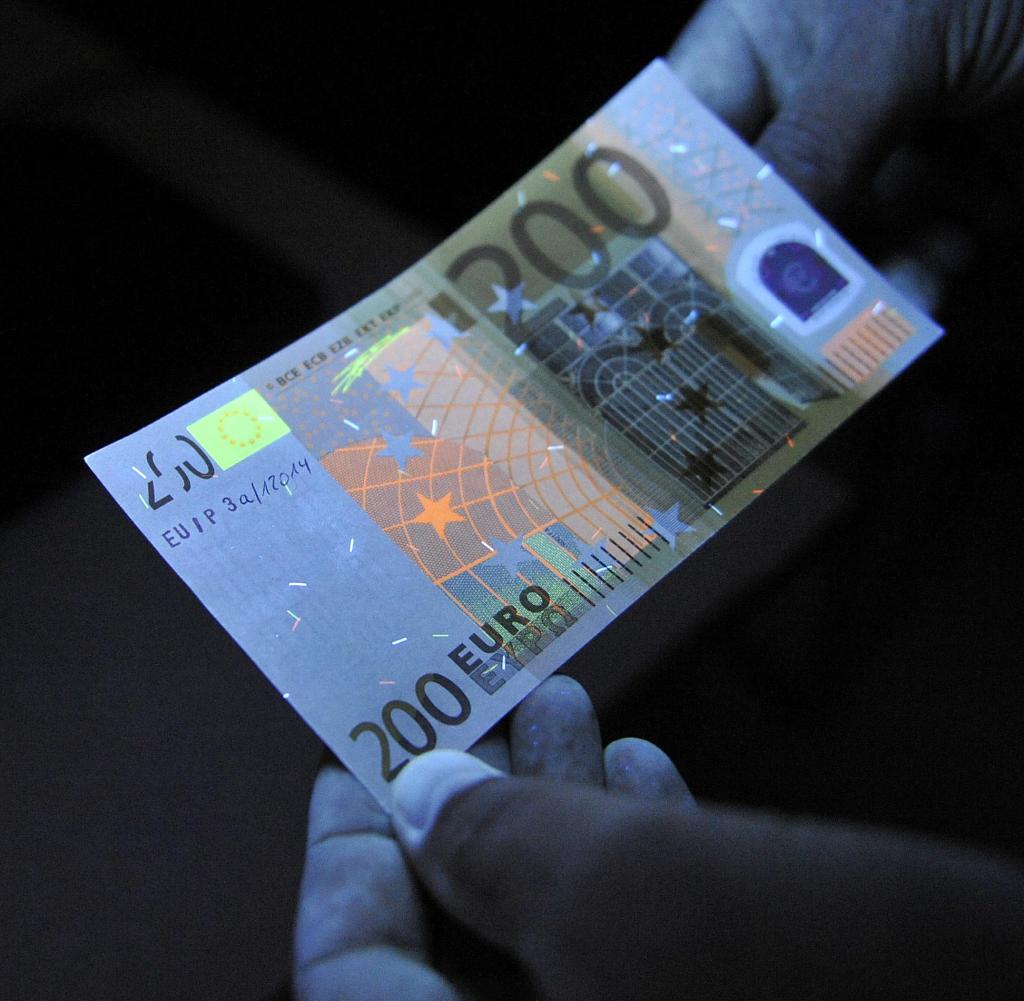
3. Ultraviolet (UV) Light Test
- Under UV light, genuine notes have specific features that do not appear on counterfeit ones (e.g., fluorescent fibers).
4. Bleed Test
- Place the note on a white sheet of paper. Genuine notes do not bleed color, while phonies may smear.
Legal Framework and Consequences
The Indian Penal Code (IPC) offers stringent charges for the production, distribution, and possession of counterfeit currency. According to Section 489B, anybody condemned of utilizing or making it possible for counterfeit notes can face serious legal effects, consisting of jail time. The government continually updates laws and innovations to combat this crime successfully.
Table 3: Legal Consequences of Counterfeiting
| Offense | Possible Punishment |
|---|---|
| Production of counterfeit | 7-10 years in jail |
| Circulation | 3-7 years in prison |
| Belongings of fakes | As much as 3 years in jail |
Triggering Economic Disruption
The proliferation of fake INR has significant effects on the economy. Counterfeit currency causes:
-
Decreased Trust: It deteriorates trust in the currency, resulting in an unstable financial environment.
-
Inflation: The circulation of fake currency can inflate the money supply, ultimately leading to price boosts.
-
Economic Loss: Businesses incur losses from accepting fake notes, which ultimately impacts consumer prices and job security.
Preventive Measures Against Counterfeiting
While individuals can not entirely avoid the counterfeiting of currency, they can take proactive actions to reduce the threats. Here are some preventive measures:
1. Awareness and Education
- Stay informed about the most recent security functions and counterfeiting methods.
2. Usage Technology
- Think about using currency authentication tools that can validate the credibility of notes rapidly.
3. Report Suspicious Activity
- Motivate people and services to report any suspected counterfeit notes to the authorities.
Frequently asked questions
Q1: Can I identify counterfeit INR by utilizing a smartphone app?A1: While some apps can assist in determining fakes, they should not be entirely relied upon. Constantly inspect physical features. Q2: Are there specific places where Buy Counterfeit YEN notes are more frequently circulated?A2: Counterfeit notes are frequently distributed in crowded markets and locations where
cash deals are common. Always stay watchful in such locations. Q3: What need to I do if I receive a believed Buy Counterfeit Dollars note?A3: Do not attempt to use it.
Report it to regional authorities or a neighboring bank for additional investigation. Q4
: How does counterfeiting affect the economy?A4: Counterfeiting causes financial instability, inflation, and a loss of rely onthe currency, all of which can severely impact economic development
. Q5: Are federal governments taking actions to avoid counterfeiting?A5: Yes, federal governments continually upgrade security functions in currency notes and execute rigid laws to fight counterfeiting. In summary, while the Indian Rupee remains a foundation of India’s economy, the danger of counterfeit currency postures substantial dangers to individuals and the more comprehensive financial system. By understanding the identification methods, legal ramifications, and preventive steps, everyone can play a part in combating this illegal activity. It is crucial to stay informed and vigilant, making sure the stability of among India’s most vital financial properties: its currency.